
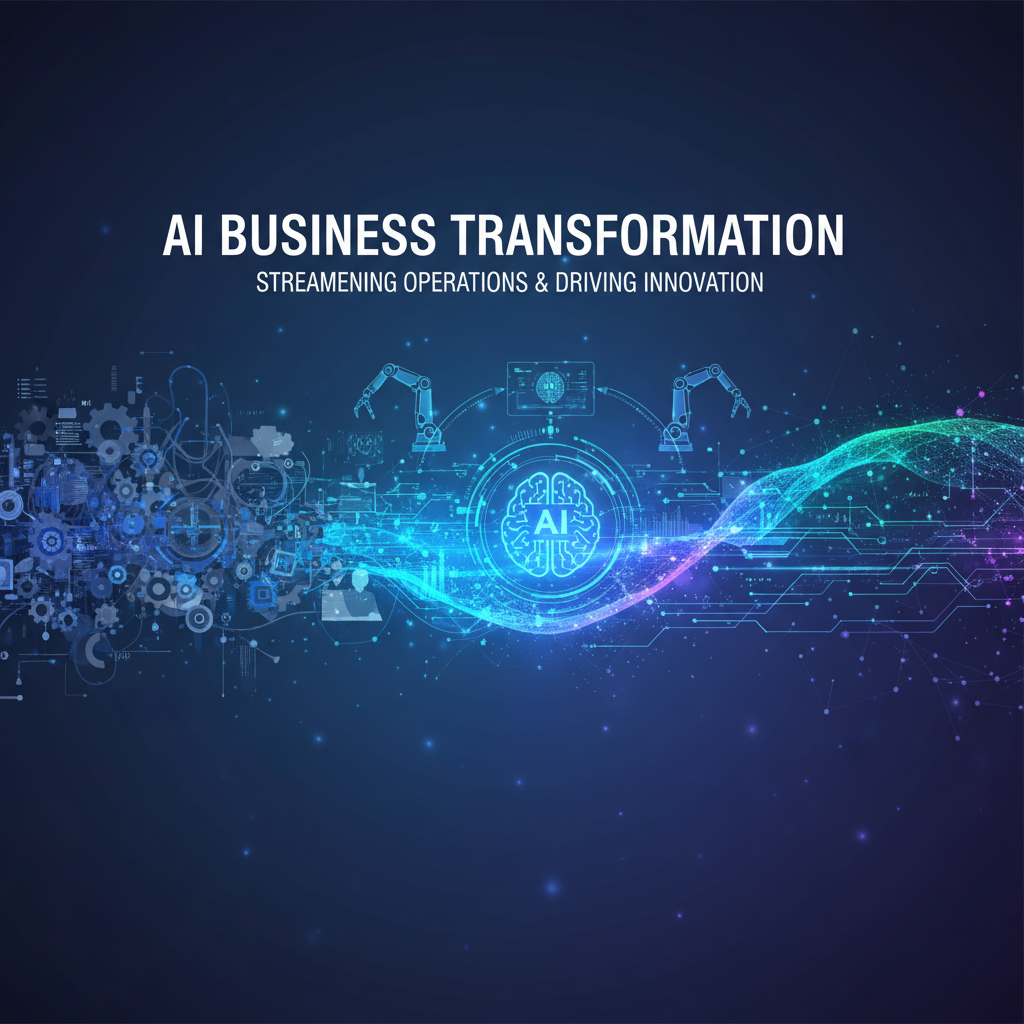
Business Process Automation: Transform Your Operations with AI | ntimes
In today’s fast-paced business environment, business process automation (BPA) is no longer just an option; it’s a necessity. Companies are increasingly turning to AI-powered tools to streamline their operations, reduce costs, and enhance productivity. The integration of artificial intelligence into various business processes is reshaping how organizations function and compete in their industries.
However, with these rapid advancements come various challenges. Many businesses struggle to effectively implement intelligent automation solutions and confuse merely automating tasks with a comprehensive strategy. Understanding how to leverage AI solutions is crucial for ensuring lasting success.
At ntimes, we specialize in AI automation that pays real dividends. Our team, with over 15 years of experience, focuses on creating customized strategies tailored to your unique needs. In this blog post, we’ll delve into the transformative power of AI integration, providing you with actionable insights, common pitfalls to avoid, and best practices to adopt.
Understanding Business Process Automation
Business process automation encompasses the use of technology to execute recurring tasks or processes in a business where manual effort can be replaced. Automated processes increase efficiency and reduce human error. According to a report by McKinsey, businesses can cut costs by up to 70% through automation in standard business processes.
Key Benefits of Automation
- Cost Savings: Reduce operational costs by minimizing manual tasks.
- Increased Productivity: You can focus more on strategic tasks as routine tasks are automated.
- Improved Accuracy: Automation eliminates the risk of human error.
Why AI Matters
The incorporation of AI features into BPA takes efficiency to another level. With AI tools for business growth, companies can analyze huge datasets to make informed decisions swiftly. Intelligent automation combines AI and machine learning to adapt to business needs in real-time.
AI Integration in Business Processes
For many organizations, the real challenge lies in AI integration. It demands a holistic approach, aligning technology with business goals. Many enterprises fail in this aspect, simply applying AI applications without a strategic plan. This is where AI consulting proves essential.
Steps to Successful AI Integration
- Assess Current Processes: Identify processes that require automation.
- Choose the Right Tools: Select AI-powered solutions tailored to your needs.
- Train Staff: Ensure your team understands and can leverage the new tools.
- Monitor and Optimize: Use analytics to review performance and make adjustments.
AI-Powered Solutions for Various Industries
Different industries can leverage AI-powered solutions uniquely. From finance to healthcare, each sector has its specific needs and challenges that AI tools can address. For example, the healthcare industry benefits from AI analytics to enhance patient care while financial services utilize business process automation with AI to streamline transactions.
Examples of AI Applications
- Healthcare: AI-driven diagnostic tools.
- Finance: Automated fraud detection systems.
- Retail: Inventory management through predictive analytics.
Developing an AI Strategy
Building an effective AI strategy is vital for sustainable growth. This includes not just implementation but continuous assessment and integration across all levels of the organization. Many organizations overlook the necessity of an adaptive strategy, ultimately limiting their potential benefits.
Components of a Strong AI Strategy
- Understand AI Capabilities: Know what AI features can offer.
- Set Clear Objectives: Align your goals with your AI capabilities.
- Engagement Across Departments: Ensure that all business units are involved.
Common Pitfalls in AI Implementation
Despite the clear benefits, many organizations face challenges when implementing intelligent AI solutions. Common mistakes include:
- Lack of clear objectives.
- Failing to train employees adequately.
- Neglecting data quality or integration.
Avoiding Implementation Errors
- Set Clear Goals: Each AI initiative should have defined outcomes.
- Training is Key: Regular staff training ensures better tool adoption.
- Continuous Evaluation: Keep updating your strategy based on results.
Conclusion: Embracing the Future with AI
In conclusion, business process automation with AI not only streamlines operations but also enables strategic growth. As industry leaders, ntimes specializes in offering custom AI solutions designed to meet your unique business needs. By leveraging our AI services, you can transform your operations and gain a competitive edge. Now is the time to begin your journey towards enhanced efficiency and innovation. Contact us today to schedule a consultation!