AI Integration: Transforming Businesses with Intelligent Automation | ntimes
{
“category”: “AI Integration”,
“html”: “
In today’s fast-paced business landscape, the need for efficiency and innovation is more crucial than ever. Enter AI integration, a game-changer for companies looking to enhance their operational capabilities. As businesses face increasing pressures to optimize workflows, AI-powered tools offer the promise of intelligent automation, driving significant improvements in productivity and decision-making.
Yet, many organizations struggle with adapting to these advancements due to a lack of expertise in AI consulting and understanding the full range of AI applications available. This article aims to highlight the transformative benefits of implementing business process automation using AI, delving into the various AI services and AI solutions that can revolutionize the way you operate.
At ntimes, we specialize in helping organizations harness the power of AI for business automation. With over 15 years of experience, our team is equipped to guide businesses through the complexities of integrating AI into their operations.
Understanding AI Integration
AI integration involves the incorporation of artificial intelligence technologies into business processes and systems. It allows for enhanced operations via intelligent automation, which combines machine learning and AI capabilities to streamline workflows.
The Importance of AI in Modern Business
As markets evolve, businesses are compelled to harness the speed and accuracy that AI solutions provide. Through integrating AI analytics into day-to-day operations, firms can achieve data-driven decision-making that propels performance.
Common Misconceptions about AI
There are several myths surrounding AI that prevent organizations from fully embracing its benefits, such as the idea that AI is only for large enterprises. In reality, AI automation tools can be scaled and tailored to fit businesses of any size.
Key Features of AI Automation
When considering AI-powered tools, understanding their key features is essential for effective integration:
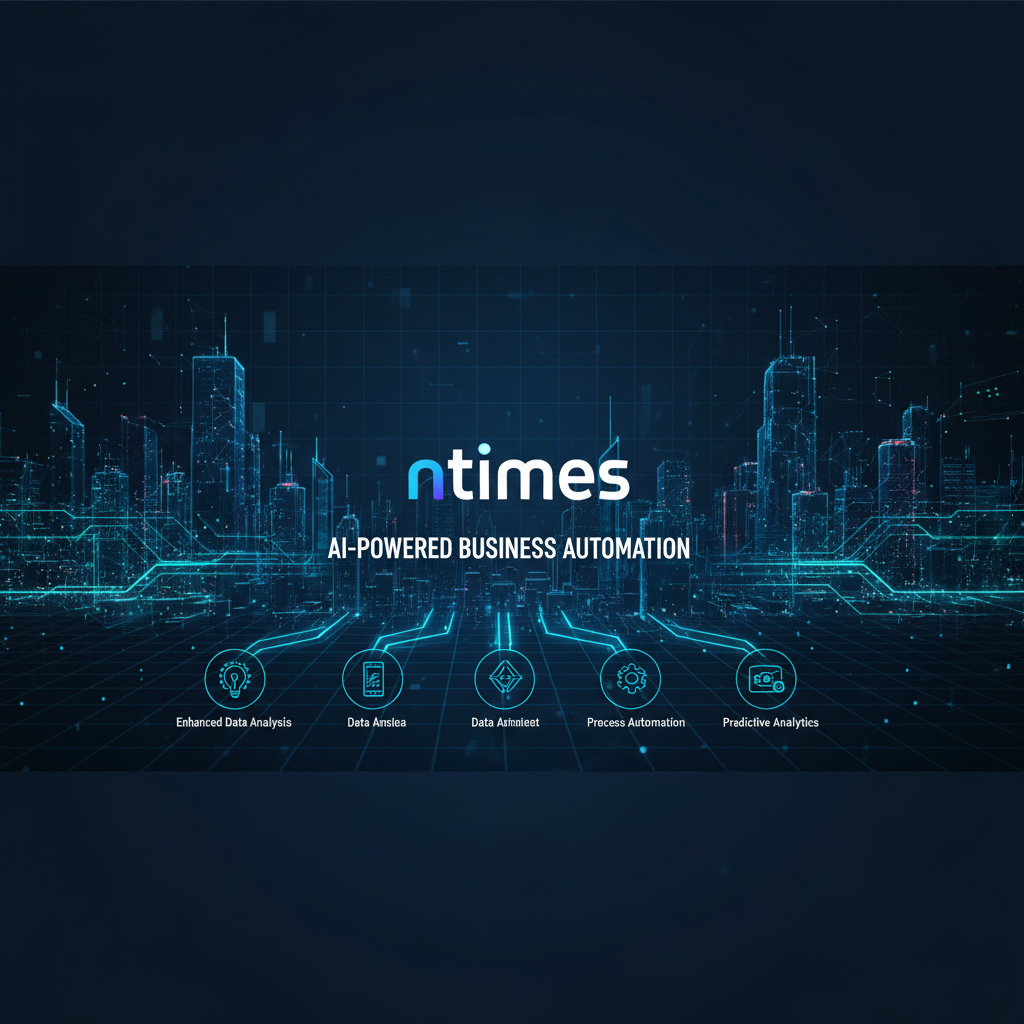
- Enhanced Data Analysis: AI can process vast amounts of data more efficiently than traditional methods.
- Process Automation: Repetitive tasks can be automated, freeing up time for strategic work.
- Predictive Analytics: Machine learning algorithms offer insights that help predict future trends.
How AI Applications Enhance Efficiency
AI applications in sectors like healthcare, finance, and customer service showcase the versatility of AI integration. Each sector benefits uniquely, enhancing efficiency and improving customer relations.
Steps for Successful AI Integration
Implementing AI successfully involves a strategic approach:
- Assess Needs: Identify specific areas that will benefit from AI.
- Choose the Right Solutions: Select from various AI products that meet your identified needs.
- Pilot Testing: Conduct tests to gauge effectiveness before full-scale rollout.
- Continuous Improvement: Use analytics to refine processes over time.
Real-World Example: AI in Action
Consider a retail company that implemented business process automation with AI to optimize inventory management. Through AI analytics, the retailer accurately predicted stock needs, reducing waste and increasing customer satisfaction.
The Role of AI Consulting
For many businesses, navigating the world of AI can be daunting. This is where AI consulting comes into play, providing expert guidance tailored to your organization’s needs. Partnering with a consultancy like ntimes can streamline your transition to AI automation and ensure that all aspects of the process are handled efficiently.
Measuring the Impact of AI Integration
Once AI tools and solutions are in place, measuring their impact becomes crucial. Define key performance indicators (KPIs) that align with your business objectives to assess effectiveness and ROI.
Common Pitfalls to Avoid
While the potential of AI is vast, organizations often face setbacks:
- Lack of Clarity: Without defined objectives, AI initiatives can become misdirected.
- Insufficient Training: Failing to adequately train staff on new systems can hinder success.
- Data Privacy Concerns: Always prioritize compliance and security when implementing AI solutions.
The Future of AI in Business Automation
The future holds immense potential for businesses willing to embrace AI automation. Trends like enhanced machine learning capabilities and the rise of AI services tailored to specific industries will reshuffle the business landscape.
Conclusion: Are You Ready to Innovate?
To summarize, integrating AI solutions into your business offers numerous benefits, including improved efficiency and decision-making. Organizations that leverage these technologies can better position themselves for future growth.
Ready to explore how ntimes can assist you in your AI journey? Schedule a consultation with our experts today and take the first step towards a smarter, more automated future.
FAQs
What is AI integration?
AI integration is the process of incorporating artificial intelligence technologies into business processes to enhance efficiency and streamline workflows.
How can AI automation benefit small businesses?
AI automation offers small businesses tools tailored to their needs, allowing them to optimize operations and improve decision-making.
What are the common misconceptions about AI?
Many believe AI is only for large enterprises; however, AI solutions can be scaled to fit any size business.
What key features should I look for in AI tools?
Key features to consider include enhanced data analysis, process automation, and predictive analytics capabilities.
Why is AI consulting important?
AI consulting provides expert guidance tailored to your organization’s needs, ensuring a smooth transition to AI automation.
How do I measure the impact of AI integration?
Measure the impact by defining KPIs that align with your business objectives to assess effectiveness and ROI.
”
}